Birthdays · 8 MIN READ
A practical birthday party planning checklist for every age
Plan a birthday that suits the person, with a manageable approach to guests, spending, invitations, food, activities and memories.
By Honestly Zen Editorial · Published 2026-10-26

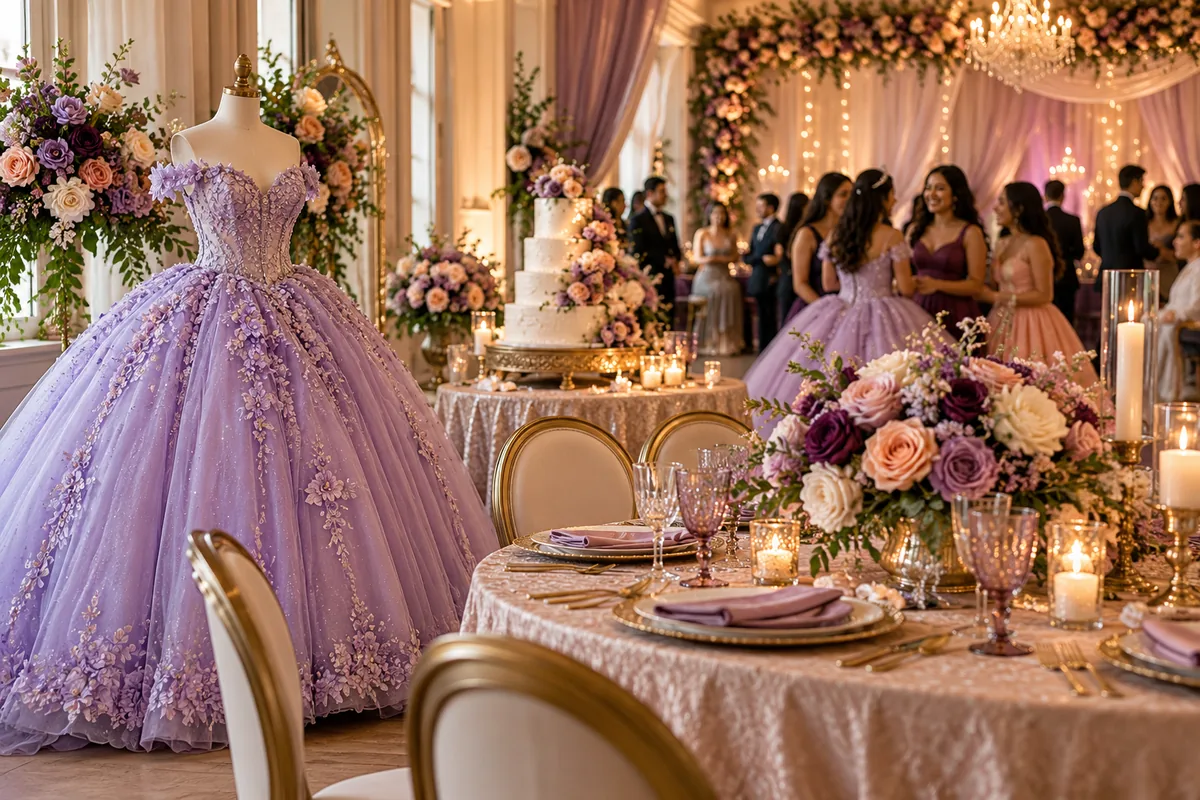
AI-generated editorial illustration.
A birthday party can be a backyard afternoon, a dinner for a few friends, or a milestone celebration with several generations in one room. The planning challenge is usually the same: match the occasion to the person, make the important choices early, and keep small jobs from becoming last-minute surprises. A useful checklist should help you make decisions rather than encourage you to buy more things. Begin with the birthday person's preferences, then work through guests, budget, place, invitations, food, activities, and the day itself. You can expand or simplify each step. The goal is a celebration that feels considered and enjoyable, including for the person doing the organizing.
Choose the kind of celebration first
Ask what a good birthday would actually feel like. Some people love a busy room and a dramatic cake presentation; others prefer a familiar meal and a handful of close friends. If the celebration is a surprise, check with someone who knows the person's preferences and availability. A surprise should not depend on ignoring boundaries or making somebody uncomfortable in front of an audience. Decide whether the event is mostly social, activity based, food focused, or a combination, and give it a clear beginning and end.
For children's parties, plan with the child's age and comfort in mind and clarify the role of accompanying adults. For a milestone birthday, ask whether the guest of honour wants speeches, photographs, or references to their age. These choices affect the tone more than a decorative theme does. Write a short event brief with the purpose, approximate attendance, preferred date, venue type, and two or three priorities. Use that brief to check new ideas. If an activity is expensive, difficult to organize, and unrelated to what the person enjoys, it may not belong in this particular celebration. A small set of meaningful choices can create a stronger experience than an ambitious list of unrelated extras.
Set a guest count and spending limit
Make an initial list before booking a space. Count people rather than households and include any parents, partners, helpers, or additional guests you intend to host. The difference between twelve invitations and twenty people matters when you plan food and seating. Decide how you will handle siblings or plus-ones before invitations go out, and state the arrangement kindly. For a home party, think about usable space, facilities, parking, and how comfortably people can move around rather than using the room's maximum standing capacity.
Set a total spending limit and divide it into categories such as venue, food, cake, activity, decoration, and practical supplies. Add a small reserve for changes. Record quotes and paid amounts separately so a deposit does not hide the remaining cost. If several people are contributing, agree who pays for what and who can approve an extra purchase. There is no need to share private financial information with every helper, but the person placing an order needs a clear limit. Recheck costs after responses arrive. Reducing one category deliberately is more useful than hoping every estimate will turn out lower. Keep receipts and cancellation details where you can find them, particularly for an activity or room booked for a specific time.
Pick a place that supports the plan
A venue should work for the activities, the guest group, and the time of day. At home, identify the main gathering space, food area, quiet corner, and route to the bathroom. For an outdoor party, make a practical weather alternative before sending invitations. The alternative might be a covered area, an indoor room, or a clearly communicated change of plan. Do not assume a forecast will solve the decision for you on the morning of the event.
For a hired space, ask what the booking actually includes. Tables, chairs, cleaning, setup time, storage, food rules, and access arrangements can affect both effort and cost. Find out when you can arrive and when everything must be removed. If you choose an activity venue, ask how the group will be supervised and what guests should bring. Communicate relevant information in the invitation rather than sending several separate corrections later. Consider transport and accessibility with the guests concerned. A convenient location for the organizer may still be difficult for an older relative or a family travelling with a stroller. Visit or review the layout, then record the address, arrival instructions, and an event-day contact in the central plan.
Make invitations simple to answer
Every invitation needs the event, date, start and finish times, location, response deadline, and a clear way to reply. Add only the practical details guests need to decide and attend: whether food is provided, what to bring, dress requirements for an activity, or the arrangement for accompanying adults. A theme can be playful while the information stays readable. Check the invitation on a phone and make sure an image does not hide essential text or require guests to zoom repeatedly.
If you use an RSVP form, test it from the guest's perspective before sending it. Confirm that the attendance choices, household allowance, and relevant questions appear immediately. Ask about dietary needs when you can use the answers, and follow up directly where details need clarification. Track pending responses in one list so you do not invite the same household twice through different channels. An email, text, or messaging app can carry the link, but your working record should still show the latest response. Use a general event page for shared information and avoid posting a private household link in a public group. A short reminder near the deadline is usually easier to understand than a series of messages with changing instructions.
Plan food and activities around the guests
Choose food that suits the time and the format. An afternoon gathering may need a different menu from a celebration that overlaps dinner. Decide whether guests will sit for a meal, use a buffet, or move between food and an activity. Keep service practical: where will plates go, how will drinks be replenished, and who will look after the cake? For allergies or dietary restrictions, confirm details with the guest or parent and the food provider. Do not describe food as safe for a particular allergy unless you have appropriate confirmation.
Activities work best when there is a clear main attraction and room for conversation or rest. You do not need to fill every minute. For children, explain rules in a way that suits the group and have a flexible alternative if attention moves elsewhere. For adults, avoid making every activity compulsory; some guests will prefer to watch or talk. Think through the transitions between arrival, food, the main activity, cake, and departure. Identify anything that needs equipment, preparation, or a dedicated helper. Test music and presentation equipment in advance if you are using them. A simple activity that starts smoothly is often more enjoyable than an elaborate one that requires the host to spend the party fixing it.
Turn the checklist into assigned tasks
A checklist becomes useful when each important task has an owner and a due date. Separate booking work from shopping, preparation, and event-day jobs. Instead of one task called decorations, write the next action: confirm table size, choose the items, collect the order, or set up the room. This makes it easier to share the work and notice which decision is actually blocking progress. Keep the list short enough to review without feeling that every optional detail is urgent.
When someone offers to help, give them a specific responsibility and the information needed to complete it. A helper collecting the cake needs the address, collection time, order reference, and suitable transport. Somebody welcoming guests needs the arrival details and an understanding of where people should go. Keep important supplier contacts with the event record. If a task changes, update the same record rather than creating a competing version in another chat. In the week before the party, review unfinished tasks and remove optional work that no longer justifies the effort. The best final checklist is not the longest one. It is the one that makes the remaining essentials obvious and achievable.
Leave room to enjoy and remember it
Prepare a short running order for the day and share it with the people helping. Include setup and cleanup as well as the celebration itself. Charge devices, check the location information, and put practical supplies together so you are not searching for them while guests arrive. Choose someone to help with questions and someone to capture a few photographs if you want them. Ask before sharing pictures of guests publicly, particularly when children are involved, and respect anyone who prefers not to be photographed.
After the party, collect belongings, return hired items, and settle any agreed costs. Send thanks in a way that fits the occasion. If you collected photos in an event gallery, review them and save the ones you want to keep. Honestly Zen can hold the birthday's guest list, invitations, responses, checklist, spending, schedule, and gallery in the same event workspace, subject to your plan's access and limits. Its Free Personal account is designed for one event with up to twenty guests and twenty uploaded gallery photos per account. A larger celebration may need a paid package or an access code. Choose the amount of organization your event needs, then let the plan support the birthday rather than become the main attraction.
A final practical check
For a final practical check, imagine the first guest arriving while the food is being delivered. Who welcomes them, where do they put a coat, and who answers the delivery question? Then imagine the last guest leaving. Who takes home the remaining items? Walking through those two moments often reveals a missing task more effectively than adding another decoration to the shopping list.