Baby showers · 8 MIN READ
How to plan a baby shower with a calm, guest-friendly approach
Plan a considerate baby shower with clear preferences, a manageable guest list, practical invitations and flexible activities.
By Honestly Zen Editorial · Published 2026-10-26
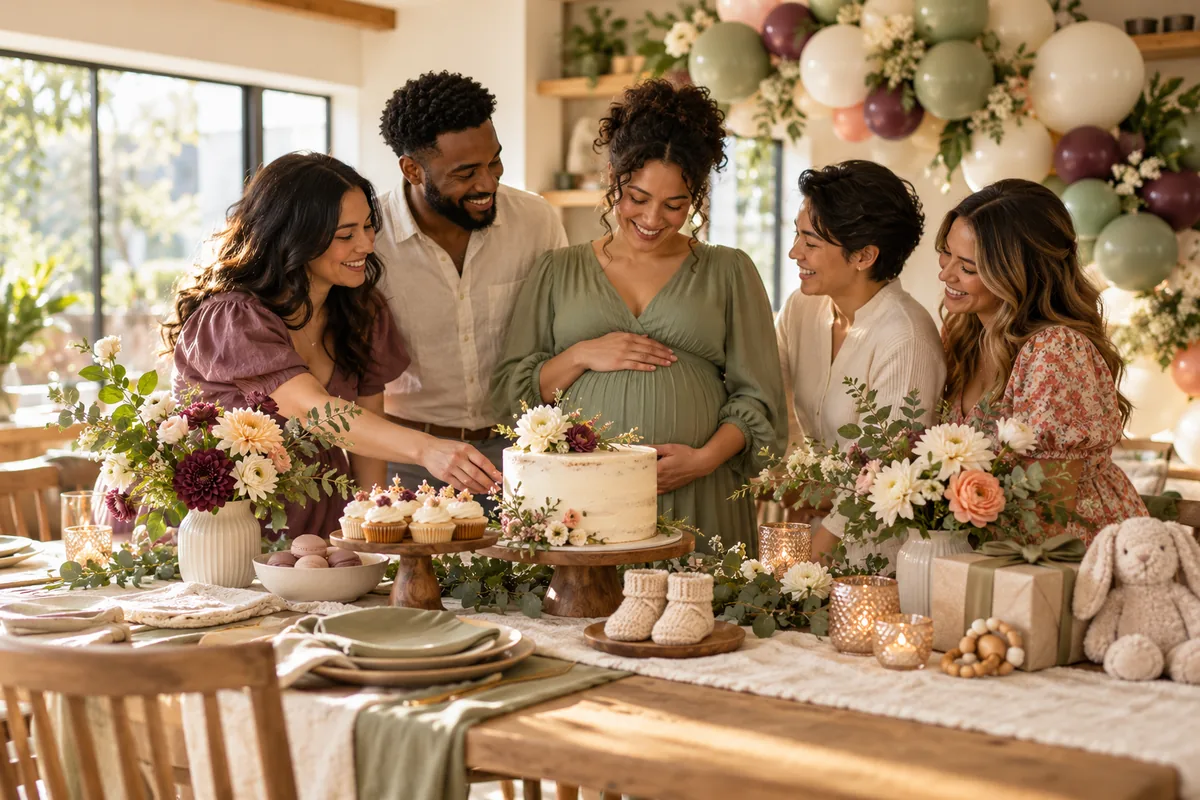
AI-generated editorial illustration.
A baby shower is an occasion to offer care and encouragement, and it should feel comfortable for the person or people being celebrated. That may mean a small afternoon at home, a shared meal, or a gathering with friends and family. There is no requirement to include a particular theme, game, reveal, or gift tradition. The most useful plan begins with preferences and keeps the practical arrangements manageable. This guide covers the early conversation, guest list, venue, spending, invitations, food, optional activities, gifts, and the final follow-up. Adapt it to the family's situation and keep personal or medical details out of the planning record unless there is a clear reason and permission to include them.
Check preferences before making announcements
Talk with the guest of honour before choosing the format or sharing news. Ask whom they would like involved, how much energy they want to spend, and which activities they would enjoy. Some people love a lively group, while others prefer a shorter gathering with a few familiar faces. Confirm what information they are comfortable making public, including names, photographs, dates, and any details about the baby. A host should never use an invitation or social post to announce something the family has not agreed to share.
Discuss the preferred timing without assuming one stage of pregnancy or family life suits everyone. Leave room to change the plan if circumstances change, and avoid framing a cancellation as a failure. Choose a small set of priorities, such as conversation, a relaxed meal, or practical support from friends. If several people are hosting, agree who keeps the main plan and who handles invitations, purchases, and the venue. Record decisions in one place so the guest of honour is not asked the same question by every helper. Make optional elements genuinely optional. A celebration can feel complete without a surprise activity, elaborate reveal, or public opening of gifts.
Make the guest list considerate and accurate
Build the list with the guest of honour and clarify whether partners, children, and other family members are included. Count individual people as well as invitations so food and seating estimates make sense. Check contact details before sending links, and avoid collecting information you do not need. If a family member is helping with addresses or phone numbers, agree who has access to that information and how it will be used. Keep private notes separate from material you plan to share with suppliers or guests.
Set a response deadline that gives you time to confirm practical arrangements. Track confirmed, declined, and pending invitations rather than treating silence as attendance. If a household has more than one seat, make the allowance clear in the invitation and form. Ask about dietary or access requirements only where you can act on the answers, and follow up privately when clarification is needed. Be thoughtful about people who may find a baby-focused gathering emotionally difficult. Give them room to decline without demanding an explanation or putting pressure on them to participate. A kind invitation offers a clear choice. The planning system should support that choice rather than turn every unanswered message into a public issue.
Choose a setting that keeps hosting manageable
Consider the guest of honour's comfort, the group size, travel, seating, and access to facilities when selecting a place. A home may feel welcoming but can leave the host responsible for preparation and cleanup. A restaurant or hired room may reduce that work, depending on what is included. Ask about setup time, furniture, food arrangements, and collection before booking. A low room price can become less convenient if you need to supply every practical item yourself.
Think about the flow of the gathering. Guests need somewhere to arrive, put belongings, sit, eat, and talk without constantly rearranging the room. Keep a comfortable seat and easy route available for the guest of honour. Ask about accessibility needs rather than guessing. For an outdoor gathering, decide on a weather alternative and a communication plan before invitations go out. Check parking and arrival directions and put them on the event page. If the venue has rules about decoration, food, or music, share those with helpers early. A simple setting that supports conversation often creates a warmer experience than a complicated setup that keeps the organizers working throughout the party.
Use a budget that reflects the priorities
Agree on a total spending limit among the hosts. Divide it into food, venue, decoration, activities, and any practical supplies you expect to need. Keep gifts separate from the event budget unless the hosts have explicitly agreed otherwise. If several people contribute, record the amount or task each has accepted. Avoid relying on informal offers that nobody has confirmed. Make clear who can approve purchases so the same category is not bought twice by different helpers.
Track estimated, committed, paid, and outstanding amounts separately. Ask suppliers what is included and check delivery or collection arrangements. Keep a reserve for small changes and use the final response count to refine quantities. You do not need every decorative item to match perfectly for the gathering to feel considered. A few repeated colours, flowers, or table details can create a coherent look with less work. If the plan begins to exceed the budget, remove optional elements before putting financial pressure on the hosts or the family. The point is to offer support, and a plan that creates stress or uncertain obligations is working against that purpose. Review the list of purchases once before placing orders and once again before the event week.
Make invitations useful and easy to read
Include the occasion, date, start and finish times, address, response deadline, and the name of the person to contact. State the format clearly enough that guests know whether to expect a meal or lighter refreshments. If there are practical details about children, parking, dress, or bringing an item, keep the wording direct and friendly. A digital invitation can use a photograph or a pre-designed background, but the essential information still needs good contrast and readable type on a phone.
Preview the complete guest page after editing the design. Check the cover details, invitation image, response form, and any countdown together. Test custom questions and meal options before sharing the link. If the guest of honour prefers not to display certain personal details, remove them from both the design and the surrounding event information. Use individual guest links for private responses and keep a general event website for information suitable for the full group. If a gift registry is included, present it as optional and avoid implying that attendance requires a purchase. Check external links yourself and provide a simple contact route for guests who cannot use the form or need a different way to respond.
Keep food and activities flexible
Choose a food format that suits the time of day and the venue. Confirm the practical details with the provider, including serving, cleanup, and any relevant dietary requirements. Where a guest has an allergy or restriction, ask for the information you need and discuss it directly with the provider. Do not promise that an item is suitable without confirmation. Label food clearly where useful and avoid making the guest of honour responsible for managing everybody else's requirements during the gathering.
Activities can be gentle and optional: a short message book, shared advice requested by the family, a creative table, or simply time to talk. Avoid games that disclose private information, embarrass people, or assume everyone has the same family experience. If you plan speeches or gift opening, check that the guest of honour wants them and give the activity a manageable place in the schedule. Leave gaps rather than filling every minute. People often value uninterrupted conversation more than a long sequence of organized moments. Name a helper who can guide transitions and another who can handle practical questions. The guest of honour should be free to take a break or leave earlier without making the whole event feel disrupted.
Finish with practical care and thoughtful memories
Create a short event-day list covering setup, food arrival, guest welcome, the main gathering, and cleanup. Assign owners to the jobs and confirm who will transport gifts or borrowed items afterwards. Share relevant contacts with helpers so one person is not the only source of answers. Check the public page one final time for address, time, and response details. If circumstances change, update the central information and contact affected guests clearly rather than relying on a post they may not see.
Ask before taking or sharing photographs, and follow the family's preferences about images of the celebration or baby-related information. A moderated gallery can collect memories from willing guests, and the host can download an archive to keep. Honestly Zen supports connected guest lists, invitations, RSVP responses, tasks, budget records, schedules, optional gift registry details, and galleries according to account access. Use only the features that help this gathering. After the shower, return supplies, settle shared expenses, and send thanks without creating extra work for the family. A successful baby shower leaves the people being celebrated feeling supported. The plan is there to make that care easier to give, not to require a performance of perfect hosting.
A final practical check
Check the final plan with the guest of honour shortly before the gathering. Ask whether the timing, activities and sharing preferences still feel comfortable. Let helpers know about practical changes without distributing private reasons unnecessarily. If the celebration needs to become smaller or shorter, update the central information and tell affected guests clearly. A supportive event can adapt to the people it is meant to celebrate.