Planning essentials · 8 MIN READ
How to build an event budget you can actually use
Create a useful event budget by separating estimates, commitments, paid amounts, balances, guest-dependent costs and manual deadlines.
By Honestly Zen Editorial · Published 2026-10-26

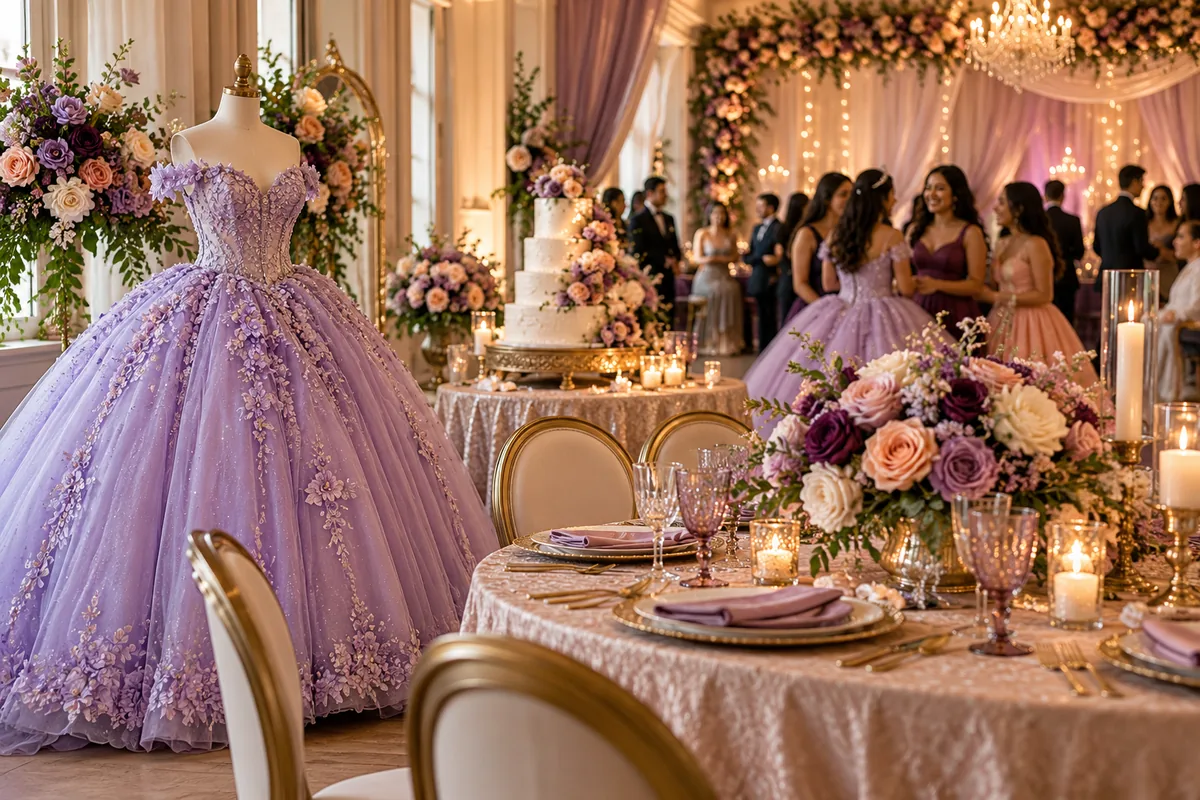
AI-generated editorial illustration.
An event budget should help you make choices before money leaves your account and understand the commitments you have already made. It is less useful when it is only a list of receipts assembled after the celebration. Whether you are organizing a wedding, birthday, anniversary, or family gathering, the same basic structure can keep the financial side clear: decide the available amount, group the costs, compare complete quotes, track commitments and payments, and review changes as attendance becomes clearer. You do not need a complicated financial model. You need a record that reflects what is estimated, what is agreed, what is paid, and what still needs a decision.
Start with money that is actually available
Choose a total that fits your situation rather than using somebody else's event as the starting point. Separate confirmed funds from possible contributions. If a relative has offered to help, clarify whether they mean a specific amount, a particular purchase, or a practical task. Do not sign a contract based on an uncertain promise. If several hosts share the cost, agree who pays suppliers, how reimbursements work, and who can approve changes. Clear arrangements are especially useful when people have different assumptions about what a celebration should cost.
Write down the priorities the budget needs to support. A host may care most about a good meal and a comfortable space, while another may prioritize photography and live music. These priorities make trade-offs easier when estimates become real quotes. Reserve some money for changes rather than allocating every dollar at the beginning. The appropriate reserve depends on the event and how much is already confirmed; there is no single percentage that works in every situation. Keep it visible so it does not quietly become spending money for optional upgrades. The purpose of a budget is not to eliminate all uncertainty. It is to show where uncertainty remains and prevent it from being mistaken for a confirmed cost.
Group costs into useful categories
Create categories broad enough to understand but specific enough to compare. Common examples include venue, food and drink, clothing, entertainment, photography, invitation materials, decoration, transport, and practical supplies. Add only the categories that apply to your event. A backyard birthday does not need the same structure as a wedding reception. If one category becomes too large to interpret, split it into meaningful parts, such as food service and cake, rather than adding dozens of tiny headings from the start.
For each item, record a description, supplier if known, estimated amount, committed total, actual total when confirmed, amount paid, and relevant due date. Keep the meanings consistent. Estimated means your current planning figure. Committed means an amount you have agreed to spend. Paid means money already sent. Actual means the final known total, which may change when a supplier confirms the order. These figures answer different questions and should not replace one another. Add notes for important assumptions, such as the guest count or service duration used in a quote. If the assumption changes, you will know which figures need review. A clear record saves more time than a perfectly styled spreadsheet with unclear definitions.
Compare quotes on the same basis
Two quotes are comparable only when you understand their scope. Ask what is included in the price: delivery, setup, collection, staffing, equipment, taxes, service charges, cleaning, and additional time. Ask how changes to attendance or timing affect the total. Check payment dates and cancellation or amendment terms directly with the supplier. Keep the written response with the planning record so you do not depend on memory when making a decision several weeks later.
Do not assume a package covers everything because its title sounds comprehensive. List the parts you need and mark which are included, optional, or excluded. A lower price can be a good choice, but it may also transfer practical work to the host. Consider whether you have time and helpers for that work. Where a supplier has not yet confirmed availability or the final amount, label the figure as provisional. Avoid entering it as an agreed commitment just to make the budget look complete. If you negotiate a change, update both the amount and the description of what you are receiving. A cheaper price for a reduced service is not the same comparison as a discount on the original service. The record should make that distinction obvious to anyone sharing the planning responsibility.
Keep deposits and balances separate
A deposit usually tells you how much has been paid now, not how much the purchase costs overall. Record the full agreed amount and the paid amount separately. For example, if a service totals CA$800 and you have paid CA$200, the budget should still show the CA$800 commitment and the CA$600 balance. Do not add the deposit as a second expense on top of the full amount or replace the full amount with the deposit. Either mistake can distort the remaining budget.
Track due dates alongside balances and review them regularly. A manual reminder or task can help you notice a deadline, but it does not mean a payment has been made. Update the paid figure only after you have evidence of the transaction. Keep receipts or confirmations where you can find them. If a purchase is shared, note who paid and whether reimbursement remains outstanding. Distinguish money owed to a supplier from money one host owes another so the same cost is not counted twice. When a final total changes, reconcile it with earlier payments rather than creating a new unrelated line. This gives you a more reliable answer to both how much the event costs and how much still needs to leave your account.
Connect the guest count to variable costs
Some expenses stay similar regardless of attendance, while others depend directly on the number of people. Food, place settings, seating, printed items, and some transport arrangements may change as responses arrive. Record the guest count behind the estimate and update it at agreed checkpoints. Count individual seats rather than invitation records. A household invitation can represent several people, and a pending response should not automatically be treated as a confirmed meal.
Before giving suppliers a final number, reconcile the guest list, response status, household allowances, and any relevant meal information. Confirm the supplier's deadline and the rules for changes after that date. If attendance increases, consider related costs together. An additional table can bring costs for linen, chairs, centrepieces, and layout changes as well as food. If attendance decreases, check whether the agreed price can actually change rather than assuming the saving is automatic. Keep a record of what was confirmed and when. This is particularly helpful if different helpers communicate with the venue and the caterer. One central count reduces the chance of two suppliers working from different versions of the same event.
Review changes before they become commitments
Set a simple review rhythm that suits the planning period. Early on, a weekly or occasional review may be enough; closer to the event, you may need to check more often. Look at the available amount, confirmed commitments, outstanding balances, and decisions still open. Focus on changes since the previous review rather than reading every receipt each time. If several people can make purchases, ask them to update the same record promptly so the budget remains useful between meetings.
When a new idea appears, check its full cost and identify what will fund it. You might remove another optional item, reduce a category, or decide the idea does not fit this event. Do not let a small individual purchase avoid review simply because it seems minor; many small additions can consume the reserve. Keep the tone practical rather than blaming. A budget is easier to maintain when people can report a mistake or a changed quote honestly. Record decisions that affect the plan, particularly if you choose a higher cost for a clear reason. The goal is not to make every figure stay unchanged. It is to ensure that changes are visible, intentional, and consistent with the event's priorities.
Close the budget after the celebration
After the event, check final supplier totals, outstanding balances, refunds, returns, and shared reimbursements. Mark items complete only when the practical and payment work is finished. Keep the records you may need later and avoid deleting agreements or receipts simply because the event has moved out of active planning. If a figure remains uncertain, leave a clear note about the next action and who owns it. A short final review can prevent a small unfinished task from lingering for months.
Honestly Zen brings budget items, planning tasks, schedules, guest responses, and supplier records into the event workspace according to the account's features. The Planning workroom can help review manual payment deadlines and outstanding event costs. Those records are planning information; they do not move money or prove that a supplier has been paid. Use confirmations to update the record and keep important agreements with your own retained files. If you plan another celebration, reuse the structure rather than copying old totals as though they are current prices. The useful outcome is a budget you can explain clearly: what the event is expected to cost, what you have committed, what you have paid, and what still needs attention.
A final practical check
Try a quick budget explanation without looking at every line: say the available total, the amount committed, the amount paid, and the next payment due. If one answer is unclear, improve the record before adding more detail. This exercise checks whether the budget is useful to you and any co-host, rather than simply complete-looking. The best structure is the one you can maintain consistently as the event changes.