Anniversaries · 8 MIN READ
How to plan an anniversary celebration that feels personal
Create a meaningful anniversary gathering around the couple’s preferences, family memories, comfortable hosting and clear practical arrangements.
By Honestly Zen Editorial · Published 2026-10-26
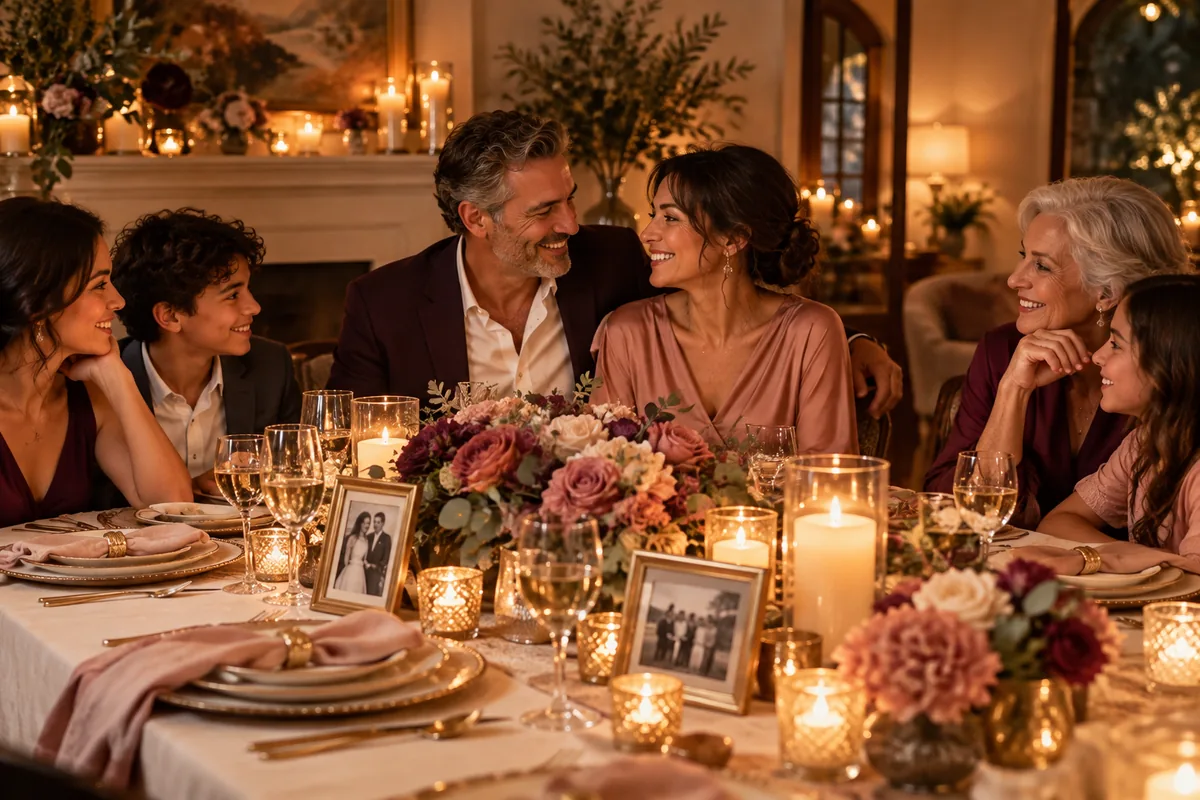
AI-generated editorial illustration.
An anniversary is an opportunity to celebrate a relationship and the life around it. That might mean a quiet dinner, a garden gathering with friends, or a larger celebration involving several generations. The most memorable details usually come from the people being honoured rather than a standard list of anniversary traditions. A good plan starts with their comfort and preferences, then gives the practical work a clear shape. This guide covers the early conversation, guests, budget, meaningful details, invitations, food, timing, and memories. Use it for your own anniversary or when organizing a celebration for someone else, and adapt the scale without feeling that a milestone requires a particular type of party.
Ask what should be celebrated
Begin with the people whose anniversary it is. Ask whether they want a party, a shared experience, a meal, or something more private. If you are organizing a surprise, involve someone who can judge whether the surprise will be welcome. Avoid making public speeches, a vow renewal, or a large gathering the default simply because those things look celebratory. A meaningful anniversary can be modest, and a large celebration can still have a relaxed tone if that is what the couple enjoys.
Talk about which parts of their story they are happy to share. A photograph, favourite song, remembered place, or family recipe may be a lovely starting point. Some memories may also be private, complicated, or connected with loss. Give the couple control over what appears in a display or speech. Write a brief description of the event's purpose and mood, then choose a few priorities. Perhaps the priorities are a comfortable family meal, time for conversation, and a collection of photographs. Those priorities can guide decisions about venue and entertainment more effectively than a generic theme. If several relatives are helping, agree that one person will keep the current plan so well-meant contributions do not create several competing versions of the day.
Agree on the guest group and budget
Build the guest list around relationships rather than a target number. Consider whether the couple wants close family, long-standing friends, neighbours, or a wider group. Check who will need to travel and whether the proposed date is realistic for the people most important to the celebration. Count partners, children, and accompanying helpers accurately. If the anniversary is hosted by adult children or friends, clarify who makes final decisions and who receives responses before invitations are sent.
Set a spending limit and record contributions that are actually agreed. Divide costs into venue, food, drinks, photographs, decoration, entertainment, and practical needs. A contribution can be a specific task rather than money, but it should still be clearly defined. For example, someone may offer to organize a photo display without taking responsibility for the entire room setup. Keep estimates, commitments, payments, and balances distinct. If relatives share expenses, decide how receipts and reimbursements will work so nobody has to chase an uncertain promise after the event. Leave room for overlooked items such as transport, delivery, or extra setup time. Review the budget when the guest count becomes firmer and remove lower-priority extras before reducing the elements the couple values most.
Choose a comfortable and accessible setting
The right setting supports the kind of interaction you want. A restaurant room may simplify food service, while a home or garden can feel especially personal. A larger venue gives more space but may require more decisions about furniture, catering, and setup. Think about noise, lighting, seating comfort, walking distances, and access to facilities. Ask guests about access needs directly and privately rather than assuming that one arrangement suits every older relative or disabled guest.
Review travel and arrival as part of the experience. Is the entrance easy to find? Can someone be dropped off nearby? Where should guests park? Will people unfamiliar with the area need clear directions? Share these details through the event website or invitation information so the couple is not answering repeated practical questions during the celebration. If the gathering is outside, decide what will happen in poor weather and who will communicate a change. Confirm the venue's access, setup, and collection times in writing. Check whether there is space for photographs or speeches without blocking movement through the room. A beautiful location is useful only if the guests and the hosts can enjoy being there comfortably throughout the event.
Design invitations around the occasion
An anniversary invitation can feel elegant without becoming formal or crowded. Include the names, the occasion, date, start and finish times, location, response deadline, and any practical information needed to attend. If the couple prefers no gifts, or would welcome a particular alternative, express that clearly and gently. Do not assume a gift registry or contribution request is appropriate for every anniversary. Make that decision with the people being honoured and keep the invitation's main action focused on responding.
A photograph can bring personality to the cover, especially if it has meaning for the couple. Choose an image they are comfortable sharing and preview how the text sits over it on a small screen. Use readable contrast and make sure the date and response action are easy to find. If you upload an existing invitation design, check that it does not conflict with the surrounding page's colours or information. Test the RSVP form before sending links, including any meal choices and household seat allowance. Send a sample to a trusted person who was not involved in creating it and ask whether anything is unclear. Use individual guest links carefully so one household's private response details do not end up in a public post or a large forwarding chain.
Make personal details easy to contribute
Choose a small number of ways guests can contribute memories. You might request a favourite photograph, a short written recollection, or a song connected with the couple. Give a clear deadline and explain how the contribution may be used. Ask for permission before displaying or publishing material, and avoid surprising someone with a personal story they expected to remain private. Keep original photographs safe and record who supplied anything that needs to be returned.
If you create a slideshow or display, edit for clarity rather than trying to include every item. Group material in an order guests can understand and check names and dates with someone who knows the history. Test the display equipment at the venue if possible, including sound and how the screen looks from the seats. Have an alternative if the technology does not work. A printed selection or a few stories told well can still create a lovely moment. For speeches, ask contributors to keep within a manageable time and explain the tone. Make room for appreciation without turning the event into a sequence of performances the couple cannot escape. A useful guiding question is whether each detail creates connection for the people in the room.
Plan food and a gentle running order
Choose a meal format that suits the guest group and the setting. A seated meal can make conversation easier for some groups; a buffet or informal lunch may give others more freedom. Ask about dietary requirements early enough to use the information and confirm any important restrictions with the food provider. Be clear about what is included in the booking and who handles serving, drinks, clearing, and the cake. If family members bring food, agree on quantities and the practical handover rather than relying on several independent assumptions.
Build a running order around arrival, conversation, food, any speeches or shared memories, photographs, and departure. Keep enough space for people to settle in. A countdown on the invitation or website can create anticipation, but the practical schedule should still be stated in normal words. Name a person who will guide transitions gently so the couple does not have to manage the room. If guests need transport or a particular departure time, account for that when placing important moments. Share the working schedule with helpers and suppliers, and share only the guest-facing itinerary with guests. These versions serve different purposes. A host may need setup instructions that add no value to the public page and could make the celebration seem more complicated than it is.
Preserve the memories and finish the work
Decide how photographs will be collected and who will review them. A shared gallery can help gather different perspectives, but it should come with clear expectations about visibility and consent. A photo upload sign can make the link easy to find at the celebration. Place it somewhere convenient without making participation feel compulsory. Remind guests that some people may prefer not to appear in shared images and respect those preferences when moderating the gallery.
Afterwards, thank contributors and helpers, return borrowed items, settle agreed costs, and save the memories you want to keep. Download a gallery archive before deleting photographs or closing access. Review the files after downloading rather than assuming the export contains everything you expected. Honestly Zen brings the anniversary's invitations, guest responses, schedule, tasks, budget, and photo collection into one planning space, with features and limits determined by the account. Archive the event when you are ready to remove it from active planning. The final measure of success is not whether every decorative idea appeared. It is whether the people being celebrated felt comfortable, recognized, and able to spend meaningful time with the people around them.
A final practical check
Before the day, give the couple a simple outline of what to expect unless they have explicitly asked for a surprise. Confirm when they should arrive, what they need to bring, and whom to contact with a question. Keep optional personal moments flexible so they can enjoy the celebration in their own way. Thoughtful preparation includes leaving people room to change their mind about being the centre of attention.