Quinceañeras · 8 MIN READ
A thoughtful quinceañera planning guide for families
A flexible quinceañera guide that respects family traditions and individual choices while organizing budget, guests, invitations and the day.
By Honestly Zen Editorial · Published 2026-10-26
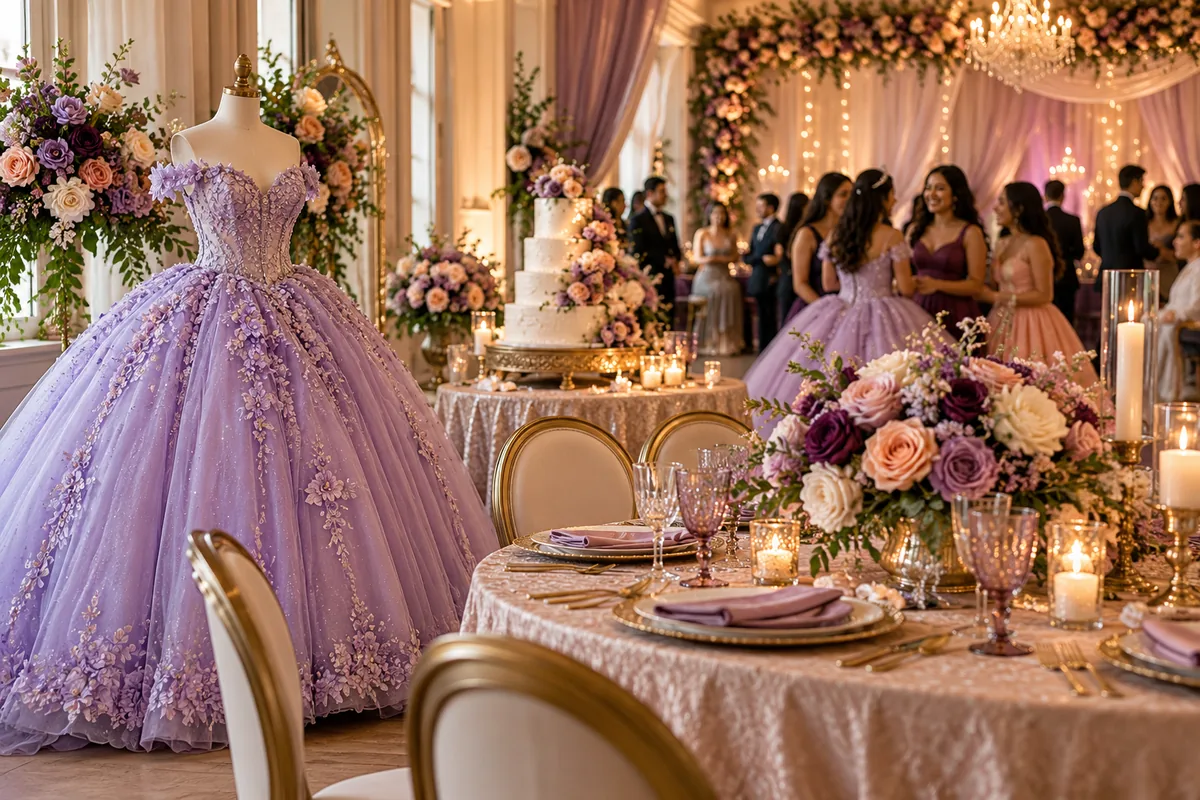
AI-generated editorial illustration.
A quinceañera can hold deep family, cultural, and personal meaning, and no single checklist can decide what that meaning should be. Some families include a religious ceremony, a court, a formal dance, and traditions passed between generations. Others choose a smaller gathering or adapt the celebration to the young person's interests. Good planning makes room for that conversation before it turns traditions into obligations. This guide helps families organize the practical work while keeping the person being celebrated involved in the decisions. Use it as a flexible framework for priorities, budget, guests, clothing, invitations, timing, and memories, and discuss any ceremonial requirements directly with the people responsible for them.
Start with a family conversation
Ask the young person what they are looking forward to and what would make them uncomfortable. Talk about the atmosphere, guest group, music, clothing, and the balance between family traditions and personal choices. Give them a genuine role rather than asking for opinions only after arrangements are fixed. At the same time, explain practical limits kindly, including the available budget and the amount of preparation the family can manage. A clear boundary is easier to work with than a series of unexplained refusals later.
List any traditions the family hopes to include and discuss each one separately. Who would take part? What preparation is needed? Is the young person happy with the idea? If there is a religious ceremony, confirm requirements and timing with the relevant community or venue rather than relying on a generic online schedule. Families and communities vary, so avoid treating one example as a universal rule. Write down the agreed priorities and the items still open for discussion. Choose one shared planning record and decide which adult handles contracts and payments. If relatives are contributing, clarify whether their contribution is financial, practical, or ceremonial so expectations remain respectful and manageable throughout the planning.
Build a realistic budget together
Set a total spending limit before selecting a venue or dress. Include the main categories that apply to your celebration: ceremony, reception, food, clothing, music, photography, transport, decoration, and any rehearsals or special activities. Contributions should be recorded only when they are confirmed. A promise to help with an element is useful, but the organizer still needs to know the amount or the exact responsibility before committing to a supplier. Keep a reserve for changes and costs that were not clear at the beginning.
For each supplier, record the estimate, agreed amount, deposit, remaining balance, and payment deadline. Ask what is included, particularly staffing, setup, delivery, taxes, service fees, and collection. A package can simplify planning, but compare the actual scope rather than assuming the most expensive option covers everything. Involve the young person in choosing where the budget has the greatest impact. They may value a favourite style of music or time with friends more than an elaborate decorative feature. When one choice increases in cost, show the effect on the whole plan and choose a trade-off together. This makes the budget a shared tool instead of a source of surprise arguments near the celebration.
Organize guests and the celebration group
Create a guest list that distinguishes households from individual seats. Include children, accompanying adults, and any agreed additional guests when estimating attendance. If different relatives are adding names, use one current list so people are not invited twice or forgotten between separate messages. Decide who can approve additions and when the list should stop expanding. Explain the response deadline with enough time to give the venue or food provider the confirmed information they need.
If you are including a court or a group taking part in a dance or ceremony, clarify the commitment early. Discuss rehearsals, clothing expectations, costs, transport, and who can help if someone cannot participate. Do not assume that every friend has the same time or financial flexibility. Keep instructions clear and avoid putting sensitive information in a large group chat. Where minors are involved, communicate practical arrangements with the appropriate adults and follow the requirements of the venue or activity provider. Ask guests about accessibility needs privately and use the answers to improve the plan. A good guest record helps with more than headcount: it connects invitations, responses, meal choices, seating, and the people who need a particular piece of information.
Choose a venue with the sequence in mind
Think about the complete day when choosing a venue, including any ceremony, travel, preparation, photography, and reception. A space needs to support the guest count and the activities, but it also needs practical access for setup and departure. Ask when suppliers can arrive, where equipment can be stored, and who is responsible for cleaning. If the ceremony and reception are separate, allow realistic travel time and explain the transition clearly to guests.
Look at the room layout before deciding on a dance floor, stage, seating arrangement, or photo area. Avoid using a floor plan that leaves no comfortable route between tables and facilities. Check the arrangements for sound, power, lighting, and any equipment included in the booking. Discuss noise or time restrictions with the venue rather than discovering them after the entertainment is arranged. If guests will arrive at different points in the day, make it clear which invitation applies to them. Review the weather alternative for any outdoor element and decide who will make and communicate that decision. Record venue contacts and access instructions where helpers can find them, so the family is not the only source of answers on the day.
Bring the visual details into one direction
A coordinated look can begin with a few colours and a mood rather than a large shopping list. Choose clothing and key visual elements with the young person's preferences in mind, then use those choices to guide invitations, flowers, table details, and the event website. Leave enough time for fittings or adjustments that are actually required, and confirm dates with the relevant supplier. Avoid promising a particular result before the people doing the work have reviewed the request.
For invitations, keep the essential information clear: name, occasion, date, place, timing, and response action. If you use a pre-designed invitation background, add only the text needed for this celebration and keep it readable on a phone. An uploaded design should work with the page's colours rather than compete with a second set of instructions. Preview the cover image, overlaid details, countdown, invitation, and RSVP form together. Test meal choices and any custom questions before sharing links. Use the event website for fuller travel, parking, dress code, and contact information. If you include photographs of the young person or friends, make sure the relevant permissions and preferences are respected before the page is shared beyond the intended guests.
Plan rehearsals and the event-day handover
If a dance or ceremonial sequence needs practice, schedule rehearsals with clear start and finish times and realistic expectations. Share the current version of music or instructions with everyone taking part. Name the person who can resolve a change so one correction does not become several conflicting directions. Check any recorded music or presentation on the equipment that will be used, and keep an alternative where practical. The point of rehearsal is to make participants comfortable, not to turn the celebration into an examination.
Build a running order around the fixed moments and add time for transitions, meals, photographs, conversation, and rest. Identify who introduces each activity and who tells suppliers when the next stage is ready. Assign practical responsibilities such as welcoming guests, helping with belongings, monitoring messages, and coordinating transport. Give helpers a short working document with the information they need, while guests see a simpler itinerary. If you export an event-day PDF, check it for accurate times, locations, and contacts and save an offline copy. The young person and their closest family should be able to enjoy the occasion without becoming the control desk for every small question.
Share memories with care
Decide in advance how photographs and videos will be collected and who can see them. A shared photo gallery can bring together moments from different guests, while moderation gives the host an opportunity to review uploads. A printable upload sign can make participation easy, but the sign should not imply that everyone must contribute. Be especially careful about images of minors and respect requests not to share particular photographs. A private link still needs thoughtful handling because recipients can forward it.
After the celebration, save the files you want to keep, return borrowed items, settle agreed payments, and thank the people who contributed. Download and check the photo archive before deleting anything. Honestly Zen can connect invitations, guest responses, planning tasks, budget records, schedules, seating, and gallery memories within the event, depending on your plan. Its role is to make the practical work easier to follow. The family decides what the celebration means. A thoughtful quinceañera plan leaves room for tradition, individuality, and the relationships that make the day significant, without asking every family to celebrate in exactly the same way.
A final practical check
As a final review, ask the young person to walk through the day with a trusted adult. Check where they can take a break, who helps with practical questions, and how any change will be explained. Confirm that participants know what is expected without feeling pressured to perform perfectly. A celebration can honour a meaningful tradition while still making comfort, consent and enjoyment part of the plan.