Graduations · 8 MIN READ
A graduation party plan that gives everyone time to celebrate
Build a graduation celebration around the graduate, with a realistic date, guest plan, useful invitations and time to enjoy the milestone.
By Honestly Zen Editorial · Published 2026-10-26

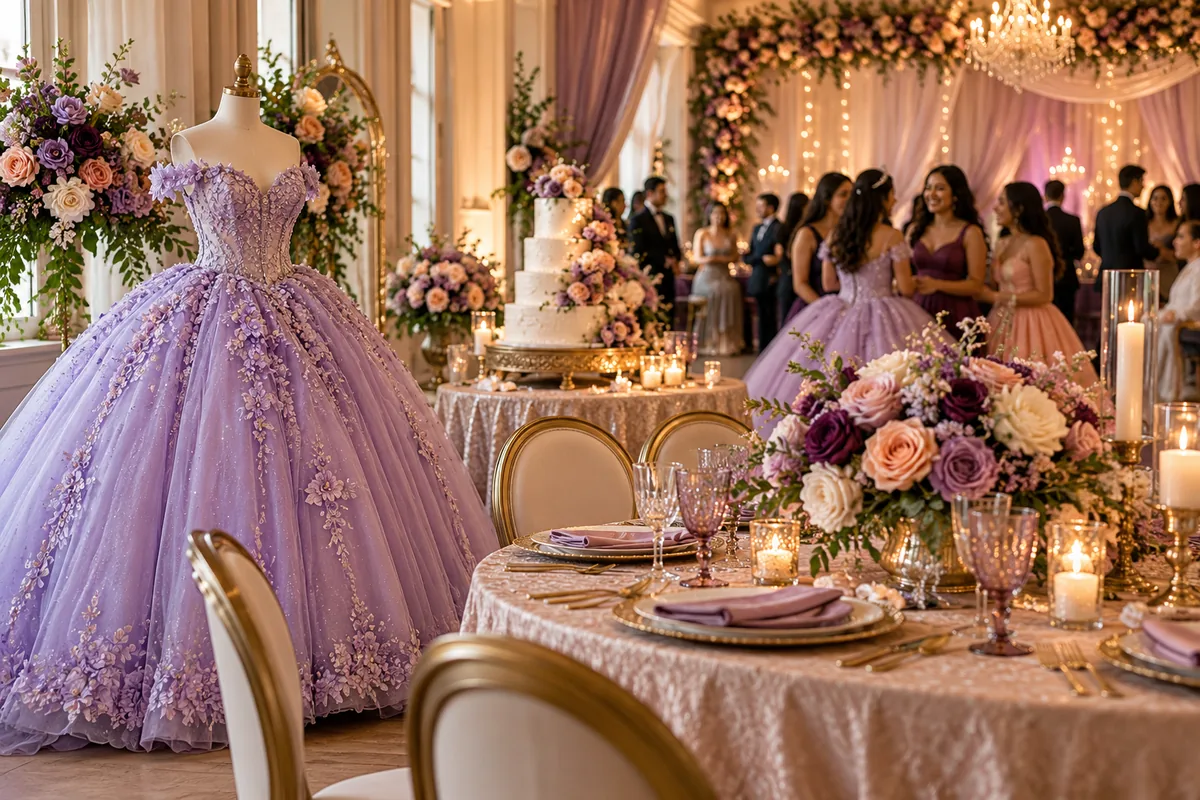
AI-generated editorial illustration.
Graduation celebrations often happen during a busy season of ceremonies, family travel, school events, and overlapping invitations. A clear plan helps you celebrate the graduate without creating unnecessary pressure around the day. The gathering might be an open house, a meal, a picnic, or a more formal party. Start with what the graduate wants, then build around the ceremony schedule, guest group, spending limit, and practical arrangements. This guide takes you through the decisions in an order that keeps them connected. It also explains how to organize invitations, memories, helpers, and a flexible running order so the celebration feels welcoming rather than over-scheduled.
Let the graduate shape the occasion
Ask the graduate how they want to mark the milestone. They may want a family gathering, time with friends, a shared activity, or a quiet meal after the ceremony. Avoid assuming that a large party is the most meaningful choice. Discuss whether speeches, a slideshow, or a display of school photographs would be welcome. Some people enjoy that attention and others would rather celebrate without becoming the subject of a long presentation. A short conversation now prevents uncomfortable surprises later.
Write a simple event brief with the purpose, preferred format, guest range, likely date, and a few priorities. If the celebration is a surprise, confirm the graduate's availability and preferences through someone they trust. Keep their commitments in mind, including the ceremony, travel, friends' celebrations, and any work or study obligations. Decide who makes final choices and who keeps the shared plan. If relatives want to contribute, give them a defined role instead of allowing several independent versions of the party to develop. The graduate can be involved in enjoyable choices while an adult or organizer handles contracts and practical responsibilities where appropriate. The celebration should recognize their achievement without asking them to manage every detail themselves.
Choose a date and format that work together
Check the official ceremony information directly with the institution before arranging anything that depends on it. Ceremony time, guest arrangements, and travel can affect when the graduate is actually available. An event on another day may offer more breathing room than a party immediately afterwards. If you choose the same day, include realistic time for photographs, leaving the venue, transport, and a rest before guests arrive. Do not turn the interval into a schedule that works only if every earlier stage finishes exactly on time.
An open house lets people drop in during a defined window, but it needs a food and welcome plan that works across that window. A seated meal needs a firmer attendance count and a clearer start time. An activity may have a fixed capacity and require information about clothing or equipment. State the format explicitly on the invitation so guests know what to expect. Consider whether the guest list combines relatives, friends, teachers, or neighbours and how those groups will interact. Choose a space that supports the style you want rather than forcing the celebration into the first available room. Check any venue restrictions and the time allowed for setup and cleanup before confirming the date.
Keep the guest list and spending visible
Create one guest list and count individuals as well as invitations. Include partners, siblings, children, and any agreed additional guests so the catering estimate reflects actual people. If several relatives are suggesting names, set a clear process for additions and check with the graduate. Keep contact details accurate and use household grouping where it helps. Record response status rather than treating every invited person as confirmed. For an open house, an approximate arrival window can be useful if you will actually use it to organize the food or welcome.
Choose a total budget and divide it into the major categories: space, food, drinks, decoration, cake, photography, and activities. Keep the celebration budget separate from any gift or education-related contribution. Record confirmed offers of help and clarify reimbursements before purchases are made. Compare supplier quotes by what is included, especially delivery, serving equipment, setup, and cleanup. Track paid amounts and outstanding balances independently. If the guest count rises, revisit the whole plan rather than increasing food alone; you may also need more seating, tableware, or space. Use the graduate's priorities to choose what stays if costs increase. A clear limit can support a generous-feeling event by directing effort towards the parts people will actually enjoy.
Send invitations that answer the practical questions
The invitation should state whose graduation you are celebrating, the date, location, event window or start time, response deadline, and contact details. Explain whether it is an open house, a meal, or a specific activity. If guests need information about parking, access, weather arrangements, or what to bring, put that on the event website and link to it clearly. Avoid making people infer the format from a decorative image or a phrase that could mean several different things.
Choose a design that reflects the graduate without making the essential details difficult to read. A cover image, pre-designed invitation background, or uploaded invitation can all work when the text and response action remain clear on a phone. Preview the full guest page, including the countdown and RSVP form, before sharing it. Test the initial appearance of custom questions, household allowances, and meal choices. Use private guest links appropriately and avoid publishing a household response link on social media. A general invitation announcement can link to information intended for everyone. For people who cannot use the online form, provide a practical alternative and update the central guest record yourself so all responses still contribute to the same attendance picture.
Make the space easy to use
Think about arrival, belongings, food, seating, conversation, and any activities as a simple flow through the space. Avoid putting a display or photo area where it blocks the entrance. If guests will come and go, make the welcome point obvious and give a helper responsibility for greeting people. Consider comfortable seating for guests who will stay longer and a quieter area for people who want a break. Ask about access needs directly rather than assuming that a familiar house or venue is easy for everybody to use.
For an outdoor gathering, decide what will happen if the weather changes. The alternative should be realistic for the guest count and communicated clearly. Check practical needs such as tables, lighting, power, facilities, and transport for supplies. If you borrow items, record who owns them and who will return them. Keep decorations proportionate to the available setup time. A small number of well-placed elements can be more effective than a large collection that needs hours of assembly. Confirm the venue's departure deadline and cleanup requirements. Planning the end of the event early prevents the hosts from discovering a second full workload after the graduate and guests have gone home.
Balance food, memories, and activities
Choose food that suits the format and the length of the gathering. An open house needs a different service plan from a single seated meal. Ask the provider how quantities, replenishment, serving, and clearing will work. Gather relevant dietary information before the order is final and clarify important restrictions directly. Do not make claims about allergy suitability without confirmation from the people preparing the food. Keep the cake or special moment at a time when the graduate and the key guests can be present, while accepting that an open house cannot place everyone in the room at once.
If you create a memory display, ask permission for photographs and keep the selection respectful. A few well-chosen images or messages can tell a stronger story than an unedited collection. Give contributors a deadline and explain how their material may be used. Activities can be optional and light: a message book, a photo corner, music, or a shared game the graduate likes. Avoid public quizzes or speeches that embarrass people or turn private experiences into entertainment. Test any slideshow, sound, or video in advance. Have a simple alternative so a technical problem does not interrupt the celebration. Leave space for the graduate to talk with guests rather than moving constantly between planned performances.
Hand over the day and save the memories
Create a short running order with setup, food arrival, guest welcome, any shared moments, and cleanup. Give each practical task an owner. A helper collecting an order needs the address, time, reference, and transport details; a helper managing music needs the current playlist and equipment instructions. Keep supplier contacts with the event record and share only the information each helper needs. Review pending responses and the public event details before the final week so corrections can be made calmly.
Afterwards, return borrowed items, settle expenses, and thank contributors. Ask guests before sharing their images publicly, and give the graduate a say in which memories are retained or posted. If you use a shared gallery, review uploads and download the collection you want to keep before deleting or archiving anything. Honestly Zen brings guest responses, invitations, tasks, budgets, schedules, and photo collection into the same event workspace, depending on plan access. It helps you carry decisions from the first idea into the final handover. The best result is a celebration that gives the graduate time to enjoy the people who supported them and a practical record of the moments they want to remember.
A final practical check
For a final check, compare the ceremony information, party invitation and transport arrangements side by side. Confirm which guests attend each part and who has the current address. Ask the graduate whether the balance of family time, friends and planned activities still feels right. Resolve any overlap before the event rather than expecting them to choose between commitments while everybody is already waiting.